

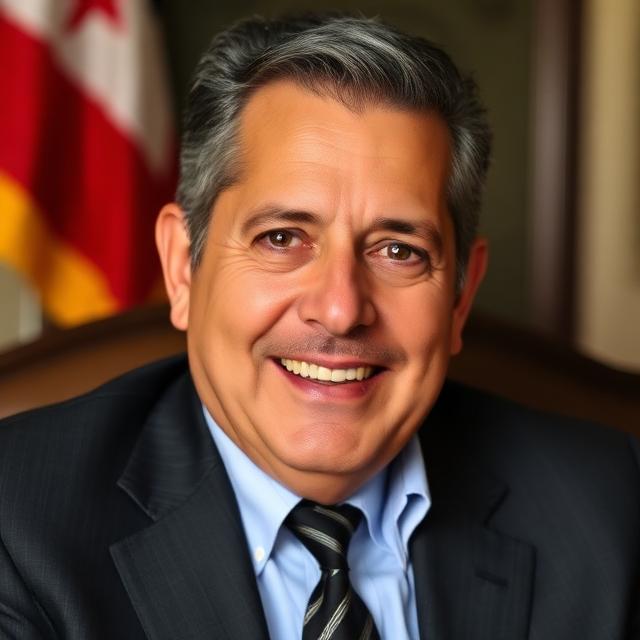


SAN JUAN, Puerto Rico (AP) – In his inaugural interview with a U.S. news outlet, Cuban President Miguel Díaz-Canel declared to NBC News’ Meet the Press that he has no intention of resigning. A segment of the interview was aired on Thursday.
During the nearly five-minute exchange, which is part of a longer discussion set to be broadcast on Sunday, journalist Kristen Welker posed a question to Díaz-Canel regarding his willingness to step down for the sake of Cuba.
Before responding, Díaz-Canel inquired whether she had directed the question at any other global leader: “Is this your inquiry or one from the U.S. State Department?”
He further stated, “In Cuba, leadership positions are not decided by the U.S. government, nor do they have any mandate from it. We are a free and sovereign nation.”
Díaz-Canel emphasized that his presidency is not driven by personal ambition, corporate interests, or even party goals, but rather stems from a mandate given by the people.
“If the Cuban populace feels I am unfit for the role, and that I have no purpose in this presidency, then I will take their sentiments into account,” he remarked.
This interview arrives amidst ongoing tensions between Cuba and the U.S., even as both sides agree that discussions have taken place, with no specifics disclosed.
Díaz-Canel criticized the U.S. for maintaining what he termed a “hostile policy” towards Cuba, asserting that it lacks the moral authority to press Cuba for changes.
He urged the U.S. to recognize the impact their policies have had on the Cuban population, as well as the consequences for the American public in terms of establishing a normal relationship with Cuba.
He expressed Cuba’s willingness to engage in discussions on any subject unconditionally, stating, “We are not demanding changes in your political system, similar to how we do not expect you to alter ours, of which we hold various reservations.”
Cuba attributes its escalating challenges to a U.S. energy blockade, which has severely impacted the island’s healthcare system, public transport, and the manufacturing of goods and services.
In late March, a Russian tanker delivered 730,000 barrels of crude to Cuba, marking the island’s first oil delivery in three months, with Russia pledging to send another shipment.
Despite previous threats of tariffs in January against countries that supply oil to Cuba, the administration of U.S. President Donald Trump permitted the tanker’s arrival.
“Cuba is done for,” Trump remarked at that time. “They have a corrupt regime with poor leadership, and regardless of whether they receive an oil shipment, it won’t change anything.”
Cuba produces only 40% of its fuel needs and has ceased receiving vital oil deliveries from Venezuela after the U.S. struck against the South American nation in early January, resulting in the arrest of its then leader.