

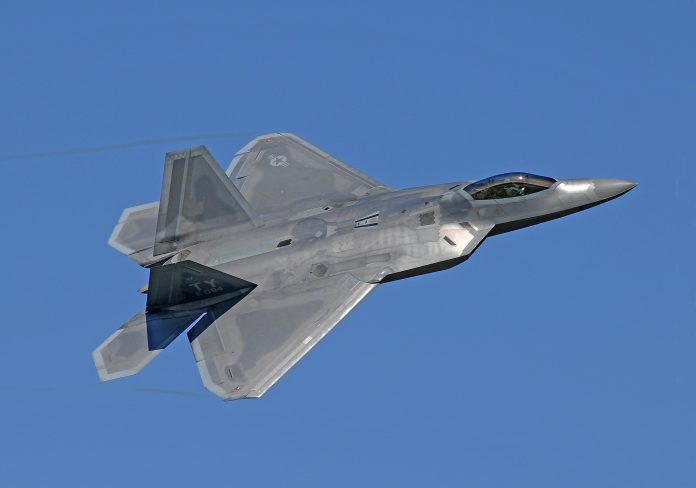


Washington, USA – A recent security report from the Wall Street Journal has disclosed that since February 4th, the United States has engaged in over 20 extensive military reconnaissance flights in the vicinity of Cuba. This notable activity has raised alarms among global observers. The publication associated these operations with intelligence trends that were evident before the US’s previous involvement in Venezuela. Experts propose that this isn’t merely standard surveillance; rather, it signifies a growing American focus on the “strategic depth” of the Caribbean, a region now experiencing heightened geopolitical maneuvering.
Examining the Trends: Is History Repeating?
Additionally, the newspaper noted that the escalation of aerial reconnaissance signifies an intelligence-gathering approach typically seen before significant security operations. Furthermore, the timing points to genuine American anxieties over expanding military or intelligence alliances between its adversaries in the region. Meanwhile, the US Department of Defense (Pentagon) has chosen to remain publicly silent on these activities. This ambiguity allows analysts to propose that these actions could serve as a “deterrent message” aimed at the Cuban government and its supporters, or they might indicate a precursor to more intricate political and security developments ahead.
Caribbean Dynamics: Concerns Over Security and Geopolitical Tensions
In this context, these actions occur amidst deteriorating US relationships with various Latin American nations, largely stemming from issues like illegal immigration, drug trafficking, and the increasing international presence of Washington’s rivals in its backyard. Observers interpret the uptick in reconnaissance operations as a defensive strategy designed to keep track of potential threats to US national security. Thus, the Caribbean continues to be a focal point of geopolitical strain, monitored worldwide due to its close geographical linkage to the United States. The precariousness of its political dynamics further underscores its significance.
Ambiguity in US Strategy: Routine Measures or Signaling a Major Shift?
Ultimately, the WSJ article prompts a crucial question: are we observing standard intelligence gathering, or is this a precursor to an escalation? The absence of an official response encourages speculation regarding potential forthcoming actions. As Washington enhances its surveillance activities around the island, the global community remains expectant of the implications tied to these “patterns of movement.” Accordingly, US military initiatives near Cuba represent a new evaluation of the American administration’s capacity to navigate conflicts within its immediate sphere, even as the regional situation grows increasingly intricate and interconnected.