

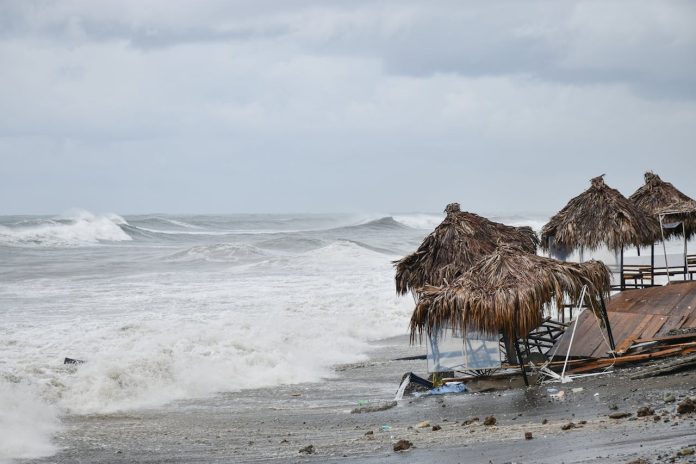


The World Bank has established a new catastrophe bond aimed at assisting Jamaica in addressing hurricane threats.
According to a statement from the World Bank, the bond, valued at $200 million, attracted more interest from investors than expected. This initiative comes less than a year after a $150 million catastrophe bond for Jamaica, facilitated by the World Bank, fully paid out after Hurricane Melissa caused significant damage.
Catastrophe bonds serve as a crucial financial support system to secure funding for extreme weather occurrences. The Atlantic hurricane season officially begins on June 1 and lasts until November. This year, the potential for El Niño weather patterns could lower the number of storms in the Atlantic region, impacting their trajectories and landfall locations.
For investors in catastrophe bonds, “current indicators suggest reduced activity and losses in the Gulf, but a relatively higher risk exists in the South and Northeast, particularly for more intense events,” Schroders noted in a recent report. “This presents opportunities for portfolio adjustments before the season starts and for strategic trading as conditions change.”
Fayval Williams, Jamaica’s finance and public service minister, stated that “establishing disaster risk financing is essential to our resilience building framework.”
Following the issuance of the bond, the World Bank will finalize a risk transfer agreement with the Jamaican government, which will then pay a premium for the insurance based on the conditions in the capital markets.
“The catastrophe bond plays a vital role in ensuring Jamaica has access to capital markets,” Williams added.